
Understanding Your HVAC Service Contract: What’s Covered, What’s Not, and How to Maximize Your Investment
An HVAC service contract is one of the smartest investments you can make as a homeowner. Whether you rely on air conditioning service during sweltering Iowa summers or furnace repair when Illinois winters hit hard, a maintenance agreement protects your equipment and your budget. At Kelly Heating and Air, we believe that understanding the details of your service contract empowers you to get the most from every dollar spent on heating service and AC repair. As a family-owned company serving Clinton, IA, Camanche, IA, Morrison, IL, Thomson, IL, and McCausland, IA, we want you to feel confident about what your agreement includes and how it works for you.
What a Typical HVAC Service Contract Covers
Most HVAC service contracts are designed around preventive maintenance, which is the foundation of equipment longevity. The U.S. Department of Energy estimates that regular maintenance can reduce your system’s energy consumption by up to 15 percent, and industry data from the Air Conditioning Contractors of America shows that well-maintained systems last significantly longer than neglected ones. A standard service contract typically includes scheduled tune-ups for both your heating and cooling systems, usually once before the cooling season and once before the heating season.
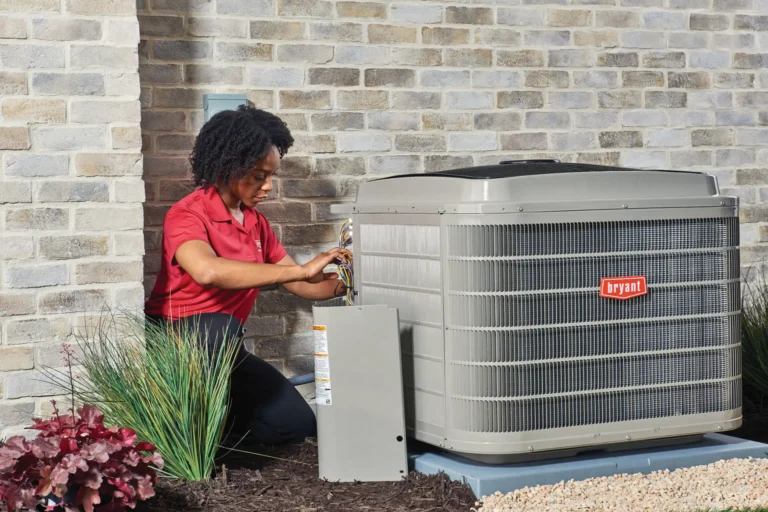
During these visits, our technicians perform a comprehensive inspection that includes checking refrigerant levels, testing electrical connections, lubricating moving parts, inspecting the heat exchanger for cracks, cleaning condenser and evaporator coils, verifying thermostat calibration, and replacing standard air filters. These tasks address the most common causes of premature equipment failure and help your furnace and air conditioner operate at peak efficiency throughout the year. Many contracts also include priority scheduling, meaning that if your system breaks down during a heat wave or cold snap, you move to the front of the line for service.
What Is Typically Not Covered
Understanding the limitations of your service contract is just as important as knowing the benefits. Contracts are not the same as home warranties or insurance policies. There are specific categories that generally fall outside the scope of a standard maintenance agreement, and knowing these boundaries prevents surprises when you need help most.
- Major component replacements such as compressors, blower motors, or heat exchangers that fail due to age or manufacturing defects rather than lack of maintenance
- Damage caused by external factors including flooding, lightning strikes, power surges, or pest infestations that compromise ductwork or wiring
- Modifications or upgrades to your existing system, such as adding a zone control system, upgrading to a smart thermostat, or expanding ductwork to new rooms
- Repairs resulting from improper installation by a previous contractor or DIY work that does not meet manufacturer specifications or local building codes
- Cosmetic issues like dented cabinet panels or discolored registers that do not affect system performance
That said, regular maintenance performed under a service contract often catches small problems before they escalate into expensive repairs. A loose electrical connection found during a routine furnace inspection costs far less to address than a complete circuit board failure discovered during a freezing January night. This is precisely why preventive care is so valuable in protecting your investment.
How to Maximize Your Service Contract Investment
Getting the most from your HVAC service contract requires active participation on your part. Between scheduled professional visits, you should change your air filter every 30 to 90 days depending on your household conditions. Homes with pets, allergy sufferers, or heavy dust exposure benefit from more frequent filter changes. Keep outdoor condenser units clear of debris, leaves, and vegetation by maintaining at least two feet of clearance around the equipment. Make sure supply and return vents inside your home remain unblocked by furniture, curtains, or rugs.
When something seems off with your system, do not wait for your next scheduled maintenance visit to mention it. Strange noises, unusual odors, inconsistent temperatures, or unexpected spikes in your utility bills are all signals worth reporting immediately. We offer emergency service because we know that HVAC problems do not wait for convenient timing. Our team is friendly and dedicated to your comfort, and we would rather address a concern early than see it develop into a costly breakdown.
Additionally, keep records of all maintenance performed on your system. Documentation proves invaluable when filing warranty claims with equipment manufacturers, and it can increase your home’s resale value by demonstrating consistent care. The Building Performance Institute notes that homes with documented maintenance histories often attract more confident buyers.
Your HVAC service contract is more than a piece of paper. It is a partnership between you and a team of professionals committed to keeping your home comfortable year-round. At Kelly Heating and Air, we take that partnership seriously, ensuring that every air conditioning service call, furnace repair visit, and seasonal tune-up delivers lasting value for homeowners across our service area.