How Weather Extremes Put Stress on Your Home’s Heating and Cooling Systems and What You Can Do About It
If you live in the Clinton, IA area, you already know that the weather does not pull its punches. One week your furnace is fighting a sub-zero cold snap, and a few months later your air conditioner is running almost without rest through a humid heat wave. These swings are hard on people, but they are even harder on the equipment that keeps your home livable. Your heating and cooling systems are built to handle a wide range of conditions, but repeated exposure to extreme temperatures pushes every component closer to its limit.
At Kelly Heating and Air, we see the results of weather stress every season. The good news is that most of the damage caused by temperature extremes is preventable. When you understand how heat and cold affect your equipment, you can make smart choices that keep your system running longer and more efficiently. As a family-owned company, we take the time to explain what is happening inside your system so you can protect your investment.
What Extreme Heat Does to Your Cooling System
When the outdoor temperature climbs into the 90s and beyond, your air conditioner has to work much harder to pull heat out of your home. The difference between the indoor and outdoor temperature is called the temperature differential, and the larger that gap grows, the more strain you place on the compressor. The compressor is the heart of your cooling system, and it is also the single most expensive part to replace. During a heat wave, the compressor may run for hours without stopping, which generates internal heat and accelerates wear.
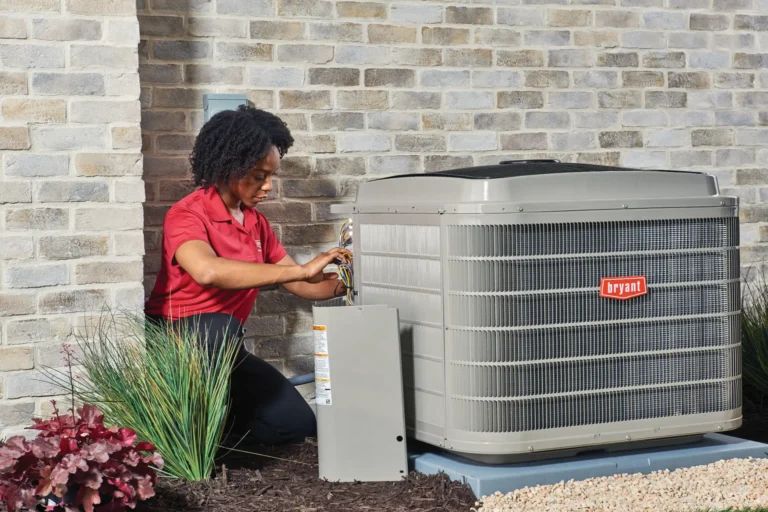
Extreme heat also affects the refrigerant pressure inside the system. As outdoor temperatures rise, the pressure on the high side of the system increases, and a unit that is already low on refrigerant or has a dirty condenser coil can overheat and shut down. Dust, grass clippings, and cottonwood seeds collect on the outdoor coil and act like a blanket that traps heat. When air cannot move freely through the coil, the system loses efficiency and the compressor runs hotter than it should. This is why we clean condenser coils as part of routine service and why we check refrigerant charge before the cooling season arrives.
How Severe Cold Attacks Your Heating System
Winter in Clinton, IA and nearby communities like Camanche, Morrison, Thomson, and McCausland can be brutal, and your furnace feels every degree. When the temperature drops far below freezing, your furnace cycles on far more often to keep up with heat loss through your walls, windows, and ceilings. Each ignition cycle puts stress on the igniter, the heat exchanger, and the blower motor. A heat exchanger expands when it heats up and contracts when it cools down, and this constant movement can eventually cause cracks if the metal is already fatigued or corroded.
Cold weather also tests the parts that often go unnoticed until they fail. Flame sensors get dirty and stop reading the flame correctly, which causes the furnace to shut down for safety. Condensate lines on high-efficiency furnaces can freeze and block drainage. Thermostats that are poorly placed may read the wrong temperature and cause the furnace to short-cycle. When the cold is at its worst, these small weaknesses turn into no-heat calls. That is why emergency service is available from Kelly Heating and Air, so you are never left in a freezing home waiting for help.
Practical Steps You Can Take to Protect Your Equipment
You do not have to simply hope your system survives the next weather extreme. There are concrete actions that reduce stress on your heating and cooling equipment and extend its working life. Many of these steps are simple enough to do yourself, while others are best left to a trained technician.
- Change your air filter regularly: A clogged filter restricts airflow and forces both your furnace and air conditioner to work harder than they need to.
- Keep the outdoor unit clear: Remove leaves, grass, and debris from around the condenser and keep at least two feet of open space on all sides for proper airflow.
- Schedule seasonal maintenance: A spring tune-up for your AC and a fall tune-up for your furnace catch small problems before a weather extreme turns them into breakdowns.
- Seal and insulate your home: Reducing drafts and heat loss lowers the demand on your system during the hottest and coldest days.
- Watch for warning signs: Longer run times, uneven temperatures, and unusual noises often appear before a full failure.
When you keep your system clean and well-tuned, it handles temperature extremes with far less strain. Regular service also keeps your energy use in check, because a system fighting against dirt and neglect always burns more fuel and electricity.
Why a Local Partner Makes the Difference
Weather extremes do not give much warning, and when your furnace quits on the coldest night of the year or your AC fails during a heat wave, you need a company that responds quickly and treats your comfort as a priority. We serve Clinton, Camanche, Morrison, Thomson, and McCausland with air conditioning service, furnace repair, heating service, and AC repair, and we understand the specific challenges this region’s climate creates.
As a family-owned business, we are friendly and dedicated to your comfort, and we build our service around honest advice rather than quick upsells. Whether you need a seasonal tune-up, an urgent repair, or guidance on protecting an aging system through another hard winter, Kelly Heating and Air is ready to help your home stand up to whatever the weather brings.